The 'Screen Radiation' Theory: Supporting Retinal Stem Cells for Long-Term Macular Health
If you are looking for natural ways to support your vision beyond traditional injections, discover the breakthrough research by Dr. Ming Wang on how cellular stress affects your central vision.
!
Why your breakfast might be "fogging" your vision (Scientific explanation inside)
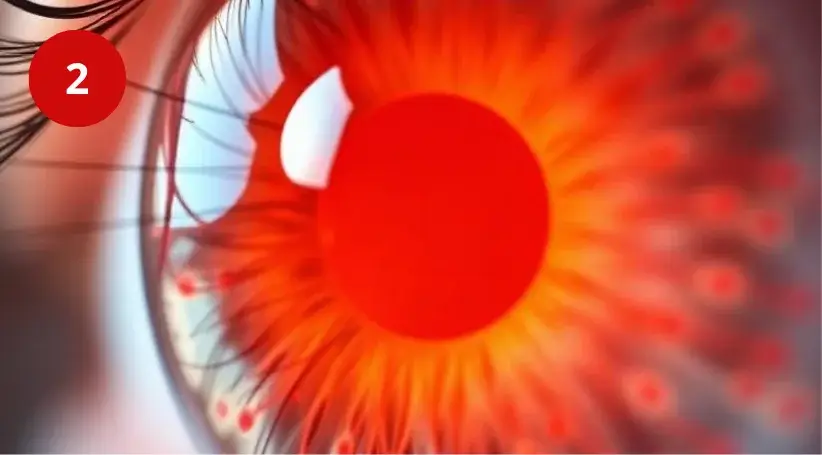
The Role of Cellular Stress in Age-Related Vision Changes
While aging is a factor, Dr. Ming Wang’s research reveals a hidden trigger: modern blue light radiation. This constant 'cellular stress' can overwhelm your retina’s natural ability to repair itself, leading to the blurry images and dark spots many face today.
Instead of just addressing surface symptoms, this research explores how specific nutrients can help support the eye's natural maintenance process. By providing targeted antioxidants and botanical compounds, it’s designed to provide the nutritional foundation the macula needs to maintain structural integrity and visual clarity as we age.
If you’ve ever felt afraid of losing your driver’s license because you can’t see clearly on the road—especially at night—you are not alone.
- The frustration of needing more light just to read the morning paper or see your phone.
- The constant anxiety of headlights turning into blinding 'fireworks' during night driving.
- The heartbreak of seeing a 'dark blur' where a loved one’s face or a grandchild's smile should be.
- The frustration of giving up hobbies and routines you once loved because your vision won’t keep up
- The silent fear of pretending you “see fine” while knowing deep down that your sight is slipping away
These emotional battles are real, and they’re shared by millions who silently face the same struggle. It’s not just about vision—it’s about freedom, dignity, and independence slipping out of reach.
And the cruel truth is this: once these fears begin, they don’t fade. They only grow stronger, until one day you’re forced to surrender the very things that made you feel alive—like the independence of driving yourself wherever you want.
The Silent Changes Inside Your Eyes… And a New Approach Researchers Are Exploring
Over time, everyday environmental and metabolic stress may influence delicate structures within the eye. What begins as mild blurriness or difficulty seeing at night can gradually reflect changes in macular function.
Researchers are now examining how targeted nutritional support may help maintain cellular balance within the retina and support long-term visual function.
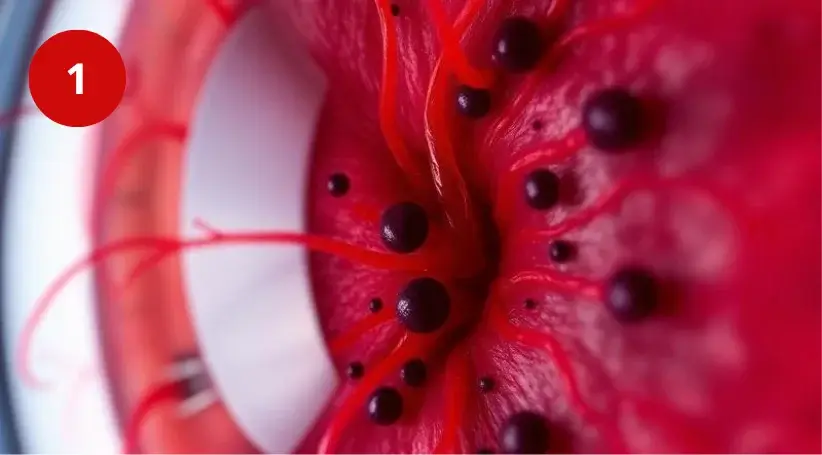
STAGE 1 — DECLINE
The eye’s natural repair system struggles to keep up with daily stress.
Central vision begins to lose clarity.
Straight lines may appear distorted, glare worsens, and driving at night starts to feel uncertain.
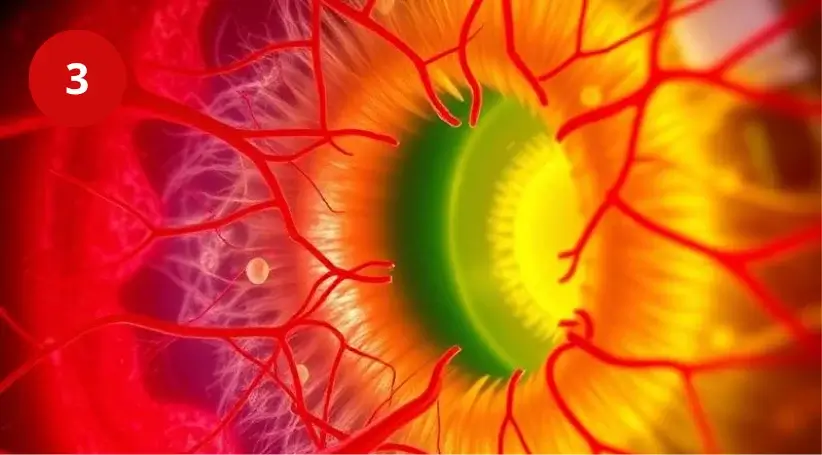
STAGE 2 — RELIEF
As the eye regains balance, the strain on delicate tissues begins to ease. Many people notice less visual fatigue, clearer contrast, and fewer dark or blurred areas interfering with daily tasks.
STAGE 3 — IMPROVED FUNCTION
With improved support, the tissues responsible for central vision can function more efficiently again. Some individuals report improved reading comfort, faces feel clearer, and focus stabilizes.
STAGE 4 — STABILITY
Vision feels steadier and more reliable. Confidence returns in everyday activities, from driving to reading to staying independent
What stage are YOU in right now?
See how Dr. Wang’s research led to a simple method that is now helping people protect their vision — While There’s Still Time to Support Your Vision.